
CrossSense smart specs win Longitude dementia award £1mill grand prize
21 Mar 2026
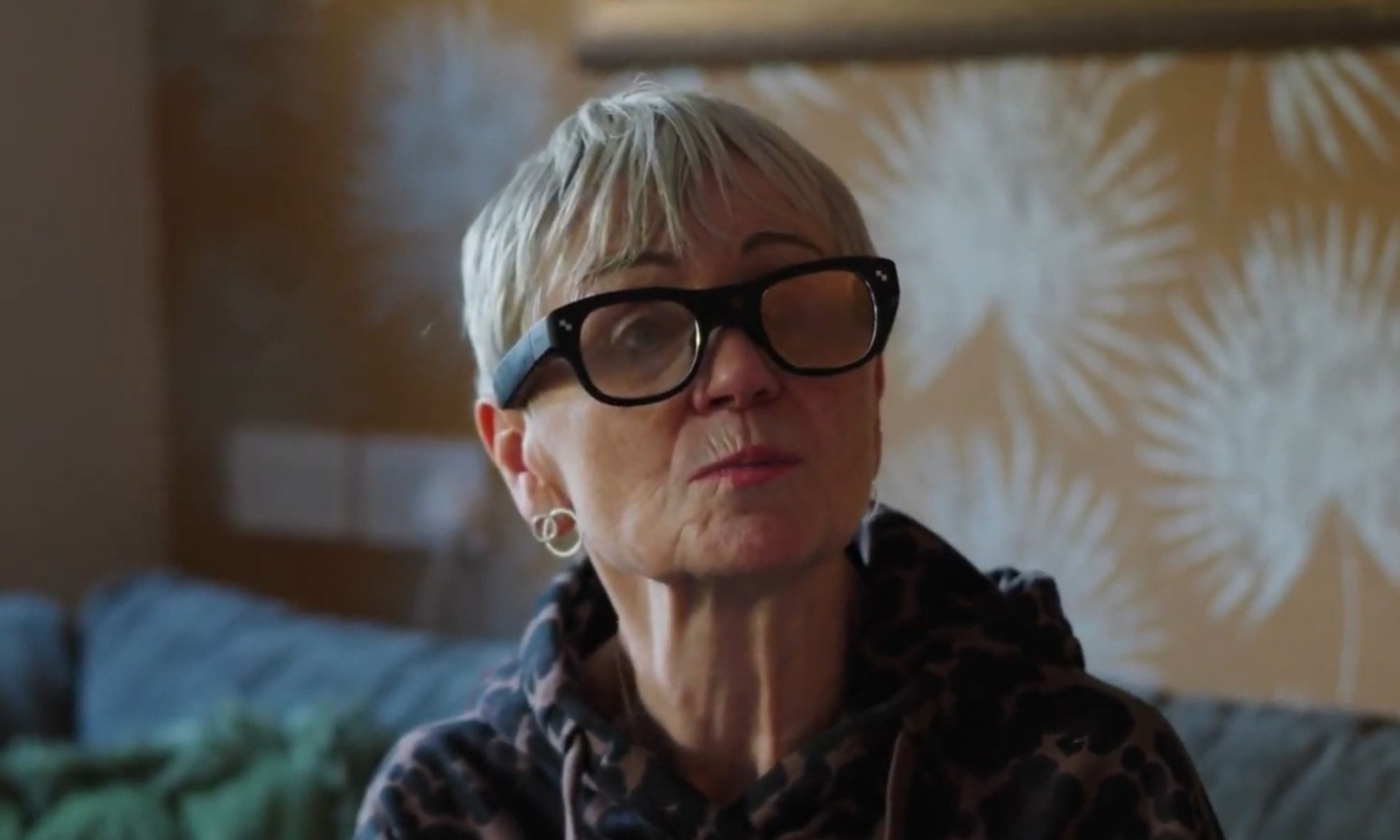
CrossSense, the smart glasses-based AI assistant designed to help early stage dementia sufferers with daily life tasks, has won the Longitude Prize’s long awaited grand award.
The final and largest component of the dementia-focused trophy’s lengthy award process, it is valued at £1million.
CrossSense CEO Szczepan Orlins said the funding would help advance the company’s aim of producing the technology for wider use.
“Winning the Longitude Prize on Dementia is a dream come true. As a small team with big ambitions, the prize’s support has accelerated CrossSense in ways that wouldn’t have been possible otherwise,” he said.
“This win brings us closer to making CrossSense available to the public within the next year.”
By providing cognitive stimulation for thinking, talking and imagining, the technology is designed to aid individuals to continue to see the relationships between things used for basic tasks such as making hot drinks or toast.
The aim is to maintain neural connections, slowing cognitive decline and retain quality of life.
AI expert and Longitude award committee chair Dame Wendy Hall, explained the decision to award CrossSense the final prize in the awards process:
“The team’s progress over the past three years has been remarkable – their expertise, co-design approach and focus on personalised AI, built on existing smart glasses hardware, truly set them apart,” she said.
It is planned that CrossSense will be available to the public in early 2027, with the aim of later involving local authorities, care providers and NHS services including memory clinics in its distribution.
The London based social enterprise honed its design with the help of the University of Sussex and the Lived Experience Advisory Panel (LEAP) facilitated by Alzheimer’s Society users affected by dementia, which was consulted for all Longitude finalists’ projects.
Launched in 2014 with the support of Innovate UK and the Alzheimer’s Society, Longitude is delivered by innovation challenge prize organiser Challenge Works.
By 2022, the £4.4 million global prize had funded and supported the development of 24 different assistive technologies. Each one received an initial £80,000 for ideas employing AI and machine learning in order to help people living with dementia remain independent.
In 2024, the entries were whittled down to five finalists who benefitted from a further £300,000 to transform their work into products.
Hall pointed out that every finalist had developed innovations that will have “a positive impact and make life easier for people with dementia and their families”.
She added that the prize had helped accelerate “multiple solutions that will soon be available”.
Pic: User Carole Grieg demonstrates the CrossSense technology
