
Study links variants in single gene to incidences of dementia
11 Jan 2026
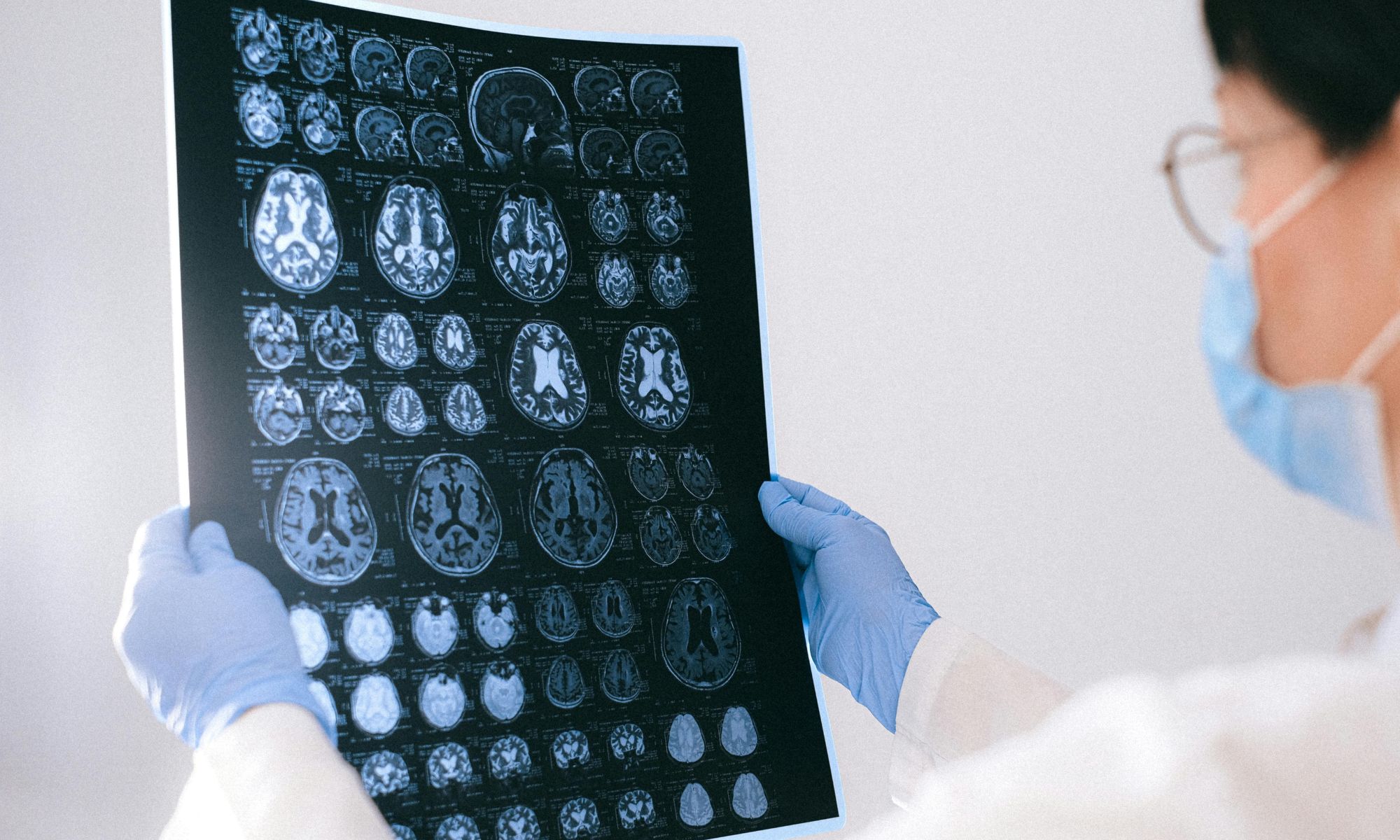
New research from UCL has identified variations in a single gene as an under-recognised target for dementia therapies.
The APOE gene has previously been identified as having a strong association with the commonest form of dementia, Alzheimer’s disease.
However, statistical modelling by the UCL team, focussing on combinations of the gene’s most common allele variants, provided further evidence of how it might impact dementias, they say.
The gene has three common allele variants – ε2, ε3, and ε4 – with all individuals carrying two APOE genes in one of six possible combinations.
As early as the 1990s, it was established that the risk of Alzheimer’s was greater among people who carried one or more ε4 APOE alleles than for those who carried two copies of the more common ε3 allele. Likewise, ε2 carriers were at less risk compared to ε3 carriers.
Based on their modelling, the researchers estimated that 72-93% of Alzheimer’s cases would not have occurred without the presence of ε3 and ε4 alleles of the APOE gene. They added that approximately 45% of all dementia cases would not arise without the gene’s influence.
These higher-than-previous estimates of APOE’s influence occurred in the latest study, said researchers, because they considered the individual roles of both ε3 and ε4 variants.
Lead author Dr Dylan Williams from UCL’s division of psychiatry and its unit for lifelong health and ageing said: “The ε4 variant of APOE is well recognised as harmful by dementia researchers, but much disease would not occur without the additional impact of the common ε3 allele, which has been typically misperceived as neutral in terms of Alzheimer’s risk.
“When we consider the contributions of ε3 and ε4, we can see that APOE potentially has a role in almost all Alzheimer’s disease. Consequently, if we knew how to reduce the risk that the ε3 and ε4 variants confer to people, we may be able prevent most disease from occurring.”
Their research published in npj Dementia, included datasets from four large studies with more than 450,000 participants, allowing a more comprehensive approach that studied the individual contribution of each of the three APOE alleles.
The scientists said the size of the study enabled them to find numerous examples from the rarer group of individuals with two ε2 alleles and for the first time to use these as their low-risk baseline.
They estimated that between 72-93% of Alzheimer’s cases would not have occurred without the ε3 and ε4 alleles of the APOE gene, and that approximately 45% of all dementia cases would not arise without the gene’s influence.
“The extent to which APOE has been researched in relation to Alzheimer’s or as a drug target has clearly not been proportionate to its full importance,” insisted Williams.
He added that intervention on the APOE gene or the molecular pathway between the gene and the disease, had great potential for preventing for treating a large majority of Alzheimer’s cases.
However, he added the caveat that the APOE gene should not be misrepresented as a sole cause. Even among people with two copies of the ε4 allele, the lifetime risk remained below 70%, he said.
“Most people with genetic risk factors like APOE ε3 and ε4 won’t get dementia in a typical lifetime, since there are complicated interactions at play with other contributing genetic and environmental risk factors,” he explained.
“Understanding what modifies the risk people inherit from their APOE genes is another crucial question for dementia researchers to grapple with.”
Pic: Anna Shvets
