
Biotech launches redox biology global award
8 Dec 2025
A Finnish biotech has launched its own global award for scientists specialising in redox biology, with category winners potentially eligible to access services valued at the equivalent of more than £22,000.
NADMED’s prize is open worldwide to institutions, pharma companies, biotechs and clinical labs worldwide.
The firm said its move was designed to enable scientific discovery in redox biology, the study of oxidation-reduction reactions that control key life processes.
In a statement, NADMED described the initiative as intended to accelerate innovation across medicine, life sciences, and biotechnology.
It will include three award categories for innovative ideas, advanced research and clinical data research.
The aim would be to expand understanding of cellular processes linked to metabolism, aging and disease.
The statement added: “The initiative not only lowers barriers for scientific discovery but also has the potential to advance research in precision medicine, neurogenetics, and metabolic health, shaping the next generation of biomedical innovation.”
The awards process will run for one month at the start of next year, from 1 to 31 January, with application templates available from 15 December. Submissions will be evaluated by a jury of international experts with the winners announced on 28 February 2026.
Award winners will be able to access NADMED’s metabolics platform and measurement services during the one year project support period starting in March 2026.
In addition, some projects will receive CE-marked metabolomics kits, consultation, and in-house measurement services valued at up to $30,000 (£22,500).
“The goal of the NADMED Award is to lower the barriers for scientists to explore what has until now been largely invisible in biology: the dynamics of redox metabolism,” said chief marketing officer Kai Herdin.
“By making our tools available to the research community, we want to accelerate discoveries that could transform how we understand cellular function and disease.”
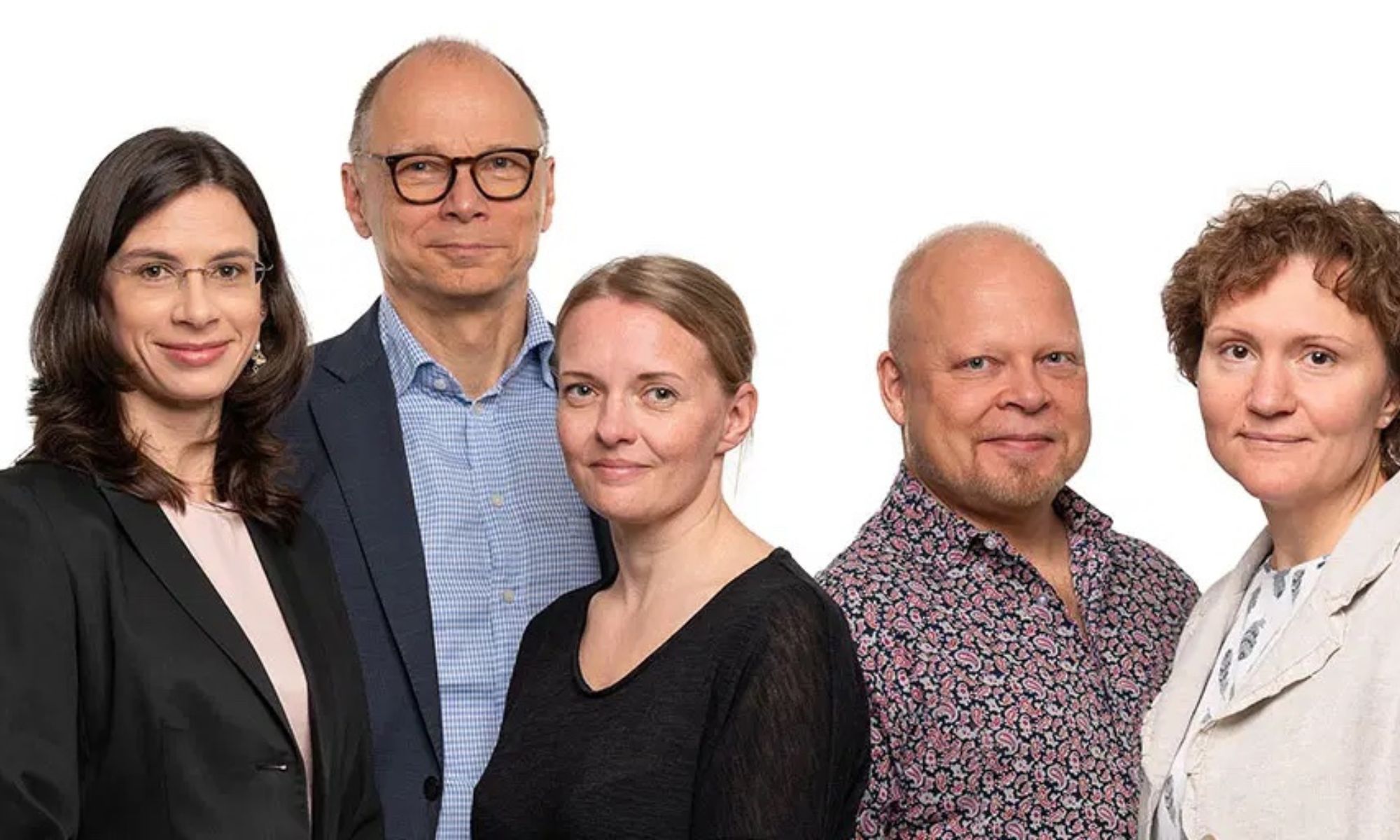
Pic: NADMED’s leadership team
