
Conservation scheme enables threatened plant to dock at island base
12 Apr 2026
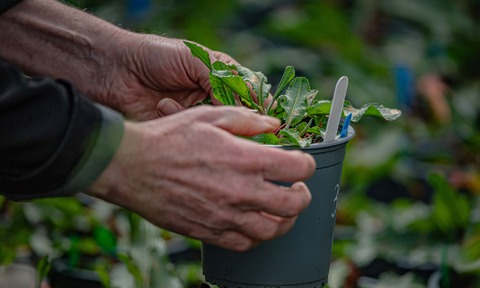
One of the world’s rarest dock and coastal plants has received a massive conservation boost, thanks to a wholesale reintroduction on to its Welsh stronghold.
A total of 500 Shore Dock plants were grown in a protected environment within Chester Zoo before transportation to the site on the island of Anglesey in North Wales.
The new population represents an estimated 10% of the entire, known 5,000-strong population of the species, which is largely confined to pockets of western Europe’s Atlantic coast, notably Wales, England, France and northern Spain.
While the species is notably hardy and able to survive near the sea, its small and localised populations have been vulnerable to human incursions, such as tourism and coastal protection projects.
Its status as a threatened species has earned it inclusion in International Union for the Conservation of Nature’s Red List. It also enjoys protected status under the Wildlife and Countryside Act 1981, the EU’s conservation directive and the Bern Convention, and is a priority species within the UK Biodiversity Action Plan.
Chester Zoo was joined by teams from RSPB Cymru, Plantlife, Natural Resources Wales and Bangor University horticulturists for the reintroduction at Newborough, in Anglesey.
The site, a longstanding location for Shore Dock was prepared by scrub clearance, grazing and improving freshwater conditions.
The project is part of the Natur am Byth! programme linking conservation groups throughout Wales to save some of the country’s most threatened species and improving the overall health and resilience of the coastal ecosystem.
Senior officer for the land management team at Natural Resources Wales Graham Williams said: “Shore Dock is our rarest dock species and grows in particularly challenging and marginal habitat that is much impacted by its location.”
He added that the planting of docks grown from seed native to Newborough was one of many interventions to boost the survival prospect of the species.
Chester Zoo head of plants Phil Esseen added it had been “a privilege” to grow the unique plants from seed under carefully controlled conditions and help return them.
“Conservation isn’t just about animals. Protecting plants like shore dock is essential to restoring whole ecosystems. We're proud to support a project like Natur am Byth!, without which these plants would not be able to establish in the wild,” said Esseen.
Pic courtesy of Chester Zoo
