
Research gives new meaning to a slug of wine
8 Dec 2025
Traditionally, slugs have been viewed with hostility by farmers but a new study suggests they might play a valuable part in improving one lucrative crop.
Slugs carry an impressive diversity of yeast species, some of which make an important contribution to wine fermentation, concluded researcher Madina Akan.
The doctoral student at Belgium’s Vrije Universiteit Brussel (VUB) and Hochschule Geisenheim University in Germany, investigated how alternatives to commercial yeasts can contribute to the industry’s manufacturing processes.
“The diversity of yeasts we found on slugs was impressive, from typical wine yeasts to even human pathogens. This shows how strongly slugs contribute to the transport of micro-organisms,” said Akan.
The species transported offer an alternative to widely used species, notably Saccharomyces cerevisiae, she suggested in her PhD ‘Co-fermentation as a means to generate low alcohol beverages with full flavour’.
In particular, these non-conventional yeasts (NCGs) provided the means to help produce wines with a lower alcohol content but a rich aroma associated with quality wines, argues Akan, a Marie Curie Fellow within the European AROMAGENESIS project.
One species in particular, Saccharomycopsis fermentans includes trifluoroleucine-resistant variants, which can impact production levels of higher alcohols such as the naturally produced isoamyl alcohol, which contributes to more complex aromas when used in small doses, stated the research.
Project supervisors professors Dr. Ronnie Willaert (VUB) and Dr. rer. nat. Jürgen Wendland (Hochschule Geisenheim University) stated the study results demonstrated NCGs’ potential to create flavour profiles otherwise difficult to achieve with classic yeasts.
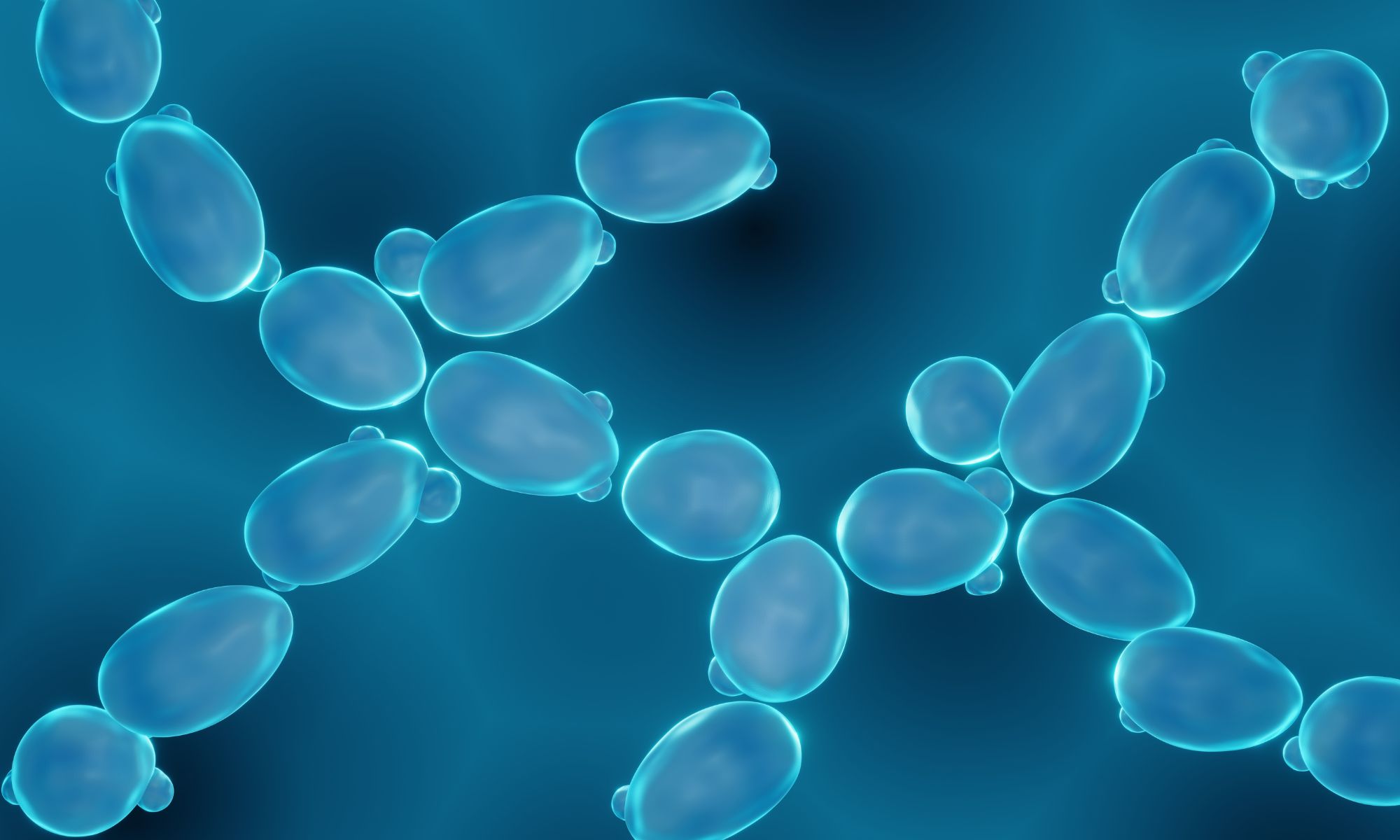
Pic: Yeast cells (Shutterstock, ART-ur)
